What actually drives the price of a roof
Roofing quotes vary widely because roofs vary widely. Two houses on the same street can price differently based on how the roof is built, not just how big it is.
The main cost drivers
- Squares of roof area (one square = 100 square feet), not house square footage
- Pitch and walkability — steep roofs take longer and need more safety equipment
- Number of penetrations: vents, chimneys, skylights, pipe boots, HVAC curbs
- Layers of existing roofing that need tear-off and disposal
- Decking condition — rotted or delaminated plywood is usually priced per sheet
- Material choice and the accessory system that goes with it
Materials that make sense in Central Texas
Our climate combines intense summer UV, high attic temperatures, wind, heavy rainfall and hail. Materials are usually chosen for how they handle that mix rather than appearance alone.
- Architectural (laminated) asphalt shingles — the most common residential choice, widely available in impact-resistant classes
- Impact-resistant shingles — tested for impact performance; some insurers offer premium considerations, so ask your insurer directly
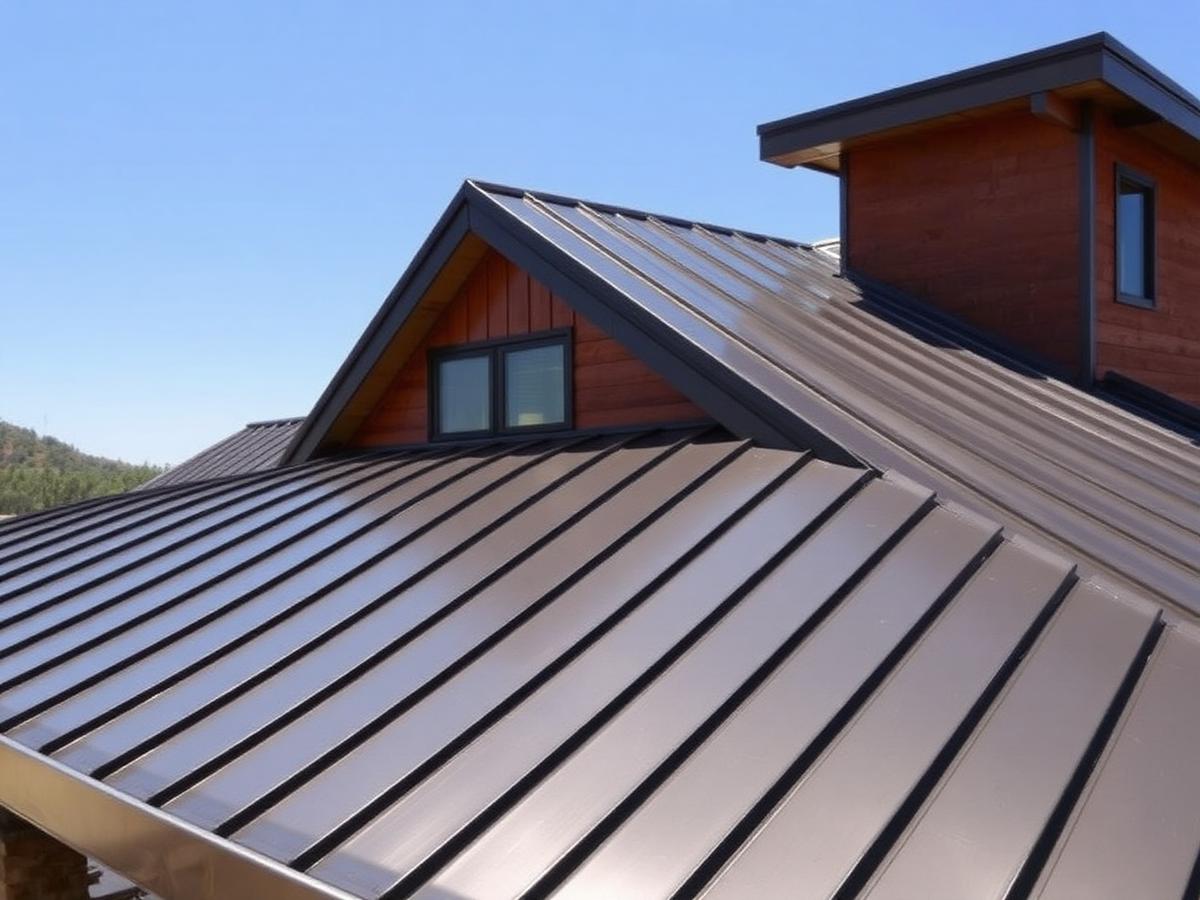
- Standing seam and exposed-fastener metal — long service life and good shedding of heavy rain, typically at a higher up-front cost
- Tile and slate — heavy systems that require the structure to support the load
- Low-slope membranes such as TPO and modified bitumen — used on flat sections, patios and most commercial buildings
Six line items to check on any proposal
Read past the total
- Underlayment type and coverage — synthetic vs. felt, and ice/water where applicable
- Starter strip and ridge cap — purpose-made components, not cut-up field shingles
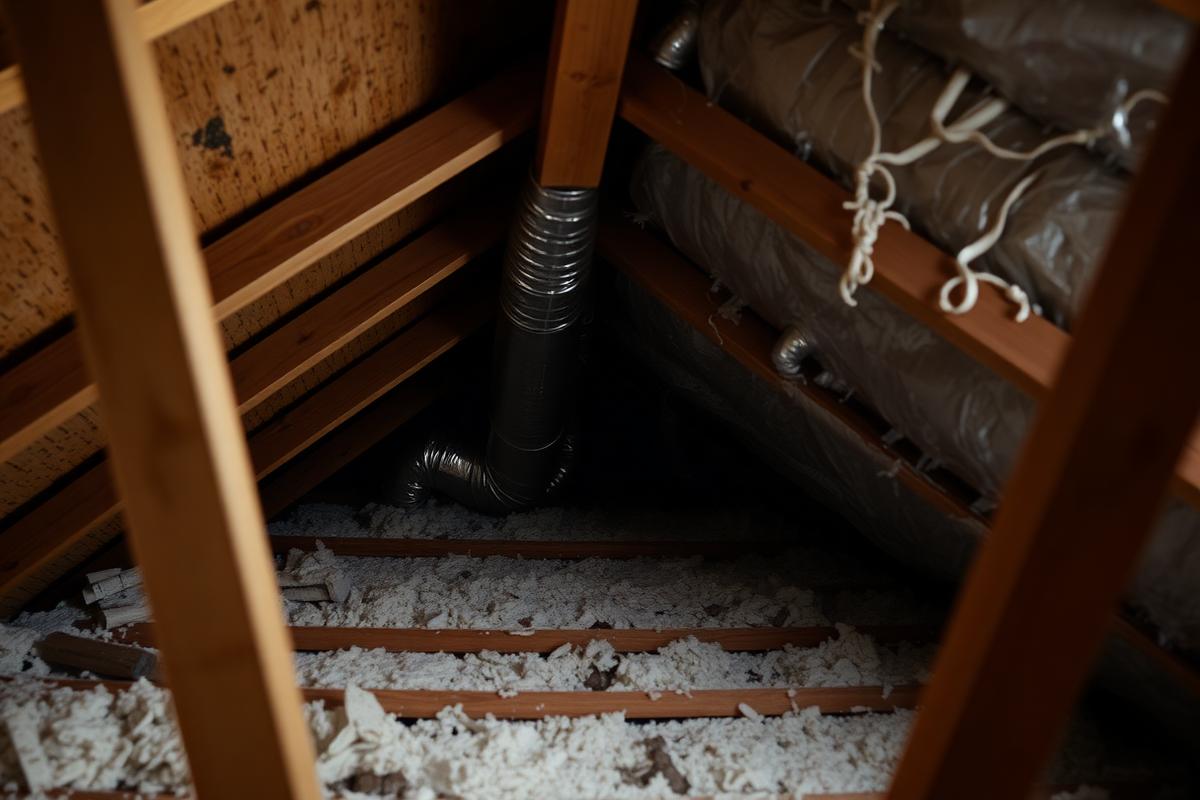
- Ventilation plan — intake and exhaust listed, not just 'replace vents'
- Flashing — whether valley, step, counter and pipe flashing are new or reused
- Decking allowance — the per-sheet price for replacing damaged plywood
- Workmanship warranty and manufacturer warranty stated separately, in writing
Questions worth asking before you sign
A contractor who answers these plainly is usually easier to work with later. Vague answers before the sale rarely get clearer after it.
- Who is physically doing the work, and are they employees or subcontracted crews?
- What happens to the schedule if rain moves in mid-tear-off?
- How is debris and nail cleanup handled around driveways and landscaping?
- What is excluded from the quote entirely?
- Is the payment schedule tied to milestones, and how large is the deposit?
Repair, restore or replace
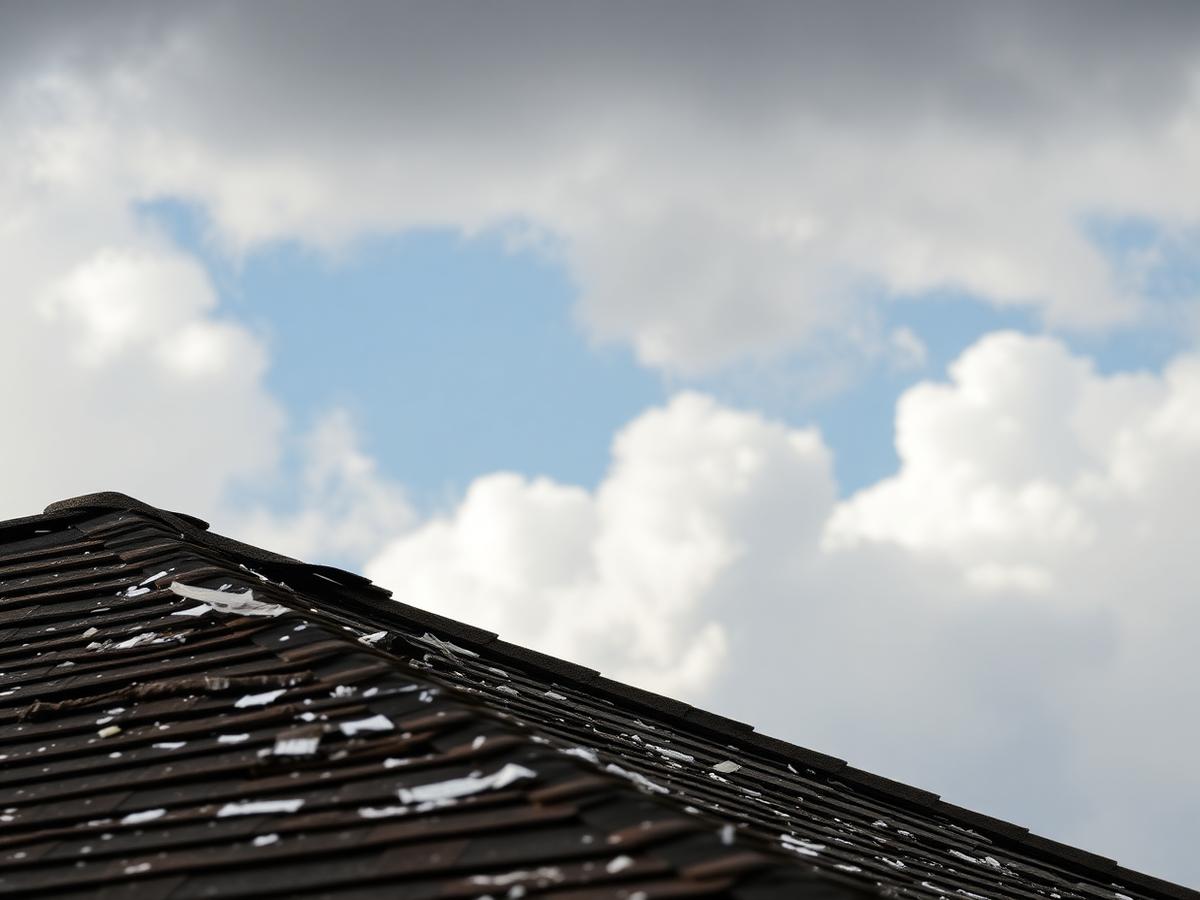
Not every aging roof needs replacing. Isolated flashing leaks, a failed pipe boot or wind-lifted shingles along one slope are often repairable. A professional inspection can help determine whether repair, restoration or replacement makes the most sense for your specific roof and budget.
If you're unsure what condition your roof is in, LoveRain Roof Co. offers free roof inspections for homeowners in Austin and Central Texas.
- Compare scope line by line, not bottom-line totals.
- Confirm underlayment, starter, ridge cap, flashing and ventilation are specified.
- Ask for the decking allowance in writing before work begins.
- Get both the workmanship and manufacturer warranty in writing.
- Have the roof inspected before assuming full replacement is required.
Not sure what your roof actually needs?
Start with an honest inspection and a clear written explanation of your options — no pressure either way.
Explore our roofing services, service areas, recent projects, photo gallery or FAQ.